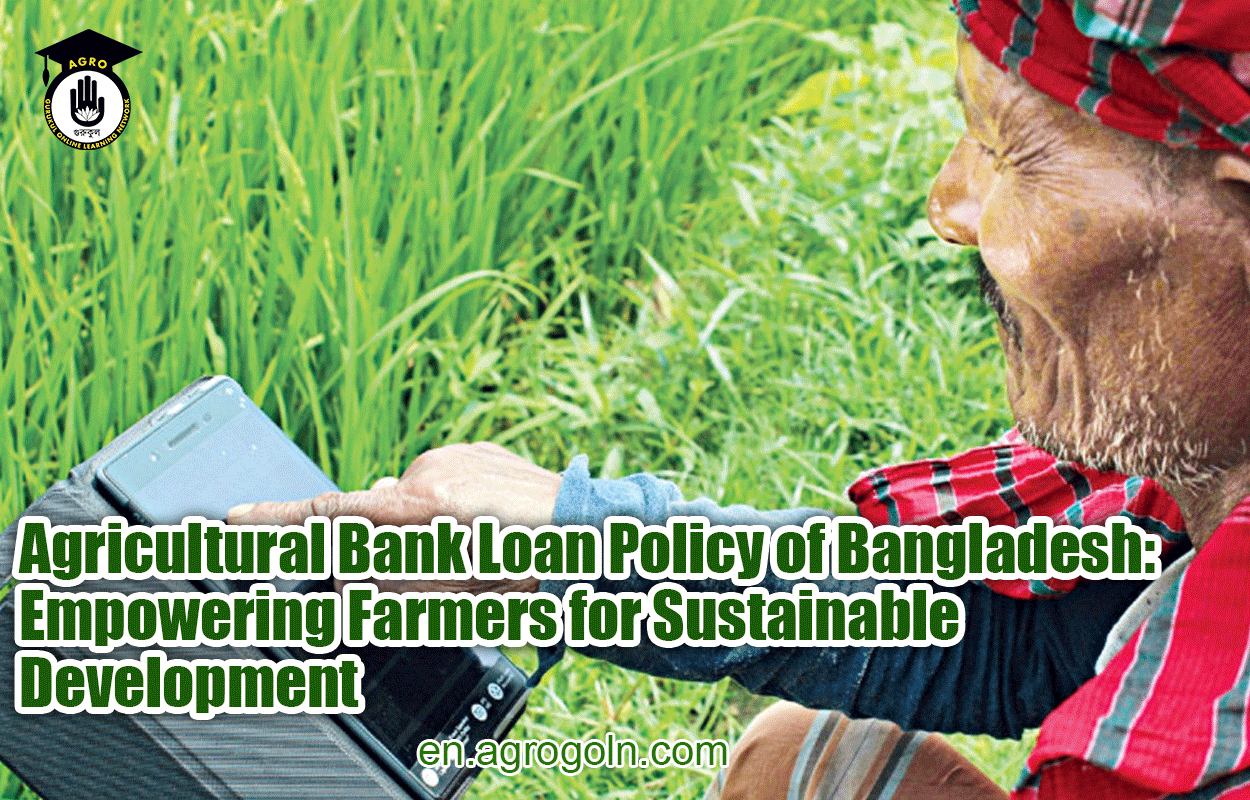
Agriculture is the backbone of the Bangladesh economy, providing employment to a significant portion of the population and contributing substantially to the country’s GDP. However, the agriculture sector faces numerous challenges, including limited access to credit and financial services for farmers. To address this issue and promote agricultural development, the government of Bangladesh has implemented various agricultural bank loan policies. These policies aim to provide financial support to farmers, enhance agricultural productivity, and ensure food security for the nation. In this article, we will explore the agricultural bank loan policy of Bangladesh, its objectives, implementation, challenges, and impact on farmers and the overall agricultural sector.
Table of Contents
Agricultural Bank Loan Policy of Bangladesh
Objectives of Agricultural Bank Loan Policy
The primary objectives of the agricultural bank loan policy in Bangladesh are as follows:
- Enhancing Agricultural Productivity: One of the key aims of the policy is to enhance agricultural productivity by providing farmers with timely and adequate credit. The loans are intended to be used for purchasing high-quality seeds, fertilizers, pesticides, and other essential inputs to improve crop yields.
- Promoting Diversification: The policy encourages farmers to diversify their agricultural activities, including livestock farming, fisheries, and agro-processing. The loans are designed to support these diversified ventures, thereby reducing the dependency on traditional crop farming and enhancing overall agricultural sustainability.
- Ensuring Food Security: The agricultural bank loan policy plays a crucial role in ensuring food security for the nation. By providing financial assistance to farmers, the policy aims to increase agricultural production and reduce food imports, making the country self-reliant in meeting its food needs.
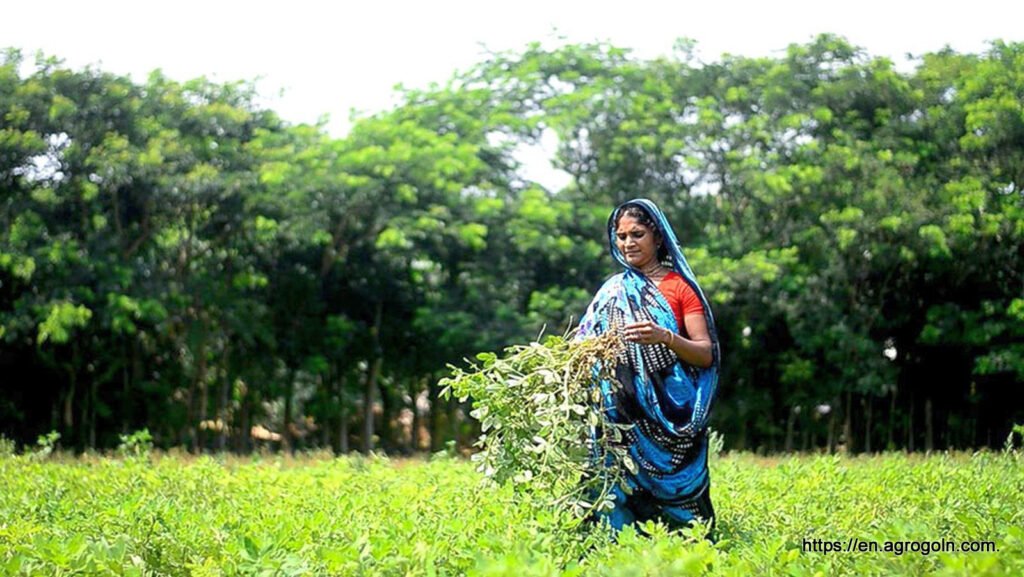
- Empowering Smallholder Farmers: The policy is designed to target smallholder farmers who often face difficulties in accessing formal credit. By providing them with loans on easy terms and conditions, the policy empowers smallholders to improve their livelihoods and contribute to agricultural growth.
- Encouraging Sustainable Practices: The agricultural bank loan policy encourages the adoption of sustainable agricultural practices. Farmers are incentivized to implement eco-friendly techniques, such as organic farming and water-saving irrigation methods, by offering them loans at subsidized interest rates.
Implementation of Agricultural Bank Loan Policy
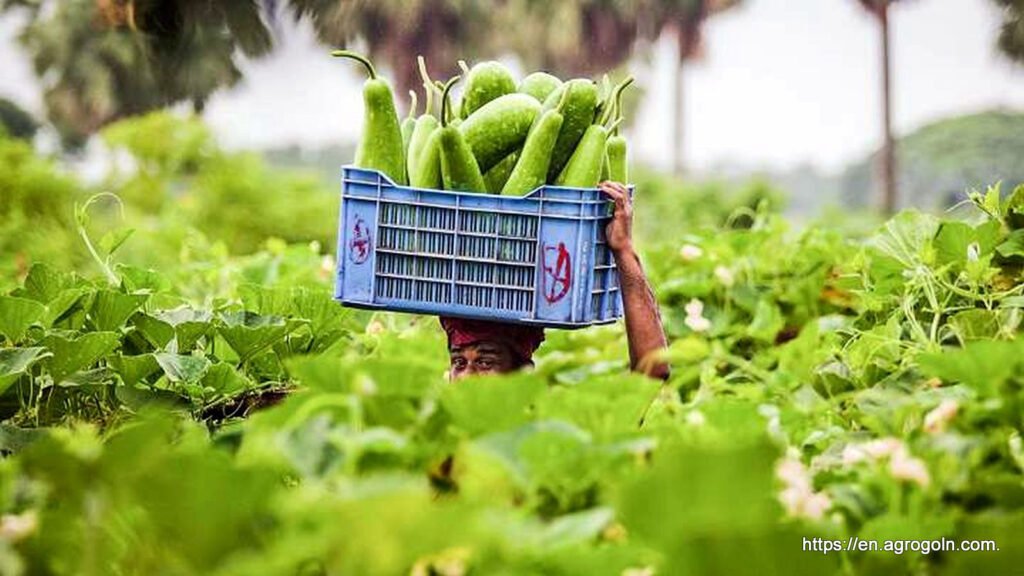
The agricultural bank loan policy is implemented through various financial institutions in Bangladesh, including specialized agricultural banks, commercial banks, and microfinance institutions. The main institutions involved in disbursing agricultural loans are:
- Bangladesh Krishi Bank (BKB): As the largest specialized agricultural bank in Bangladesh, BKB plays a pivotal role in implementing the agricultural bank loan policy. It provides credit to farmers at favorable interest rates and offers specialized loan products tailored to the needs of different agricultural activities.
- Rural Development and Cooperative (RDC) Banks: RDC banks, operating at the grassroots level, play a significant role in reaching out to farmers in remote areas. These banks offer agricultural loans to smallholders and support rural development projects.
- Commercial Banks: Commercial banks also participate in the agricultural loan program by providing credit to farmers. Under the policy, they are required to allocate a specific percentage of their total loans for the agriculture sector.
- Microfinance Institutions (MFIs): MFIs have emerged as important players in rural finance. They provide microloans to small farmers, enabling them to invest in their agricultural activities and improve their livelihoods.
To facilitate the implementation of the agricultural bank loan policy, the government collaborates with various agricultural and rural development agencies, NGOs, and extension services to disseminate information and provide technical assistance to farmers.
Types of Agricultural Loans
The agricultural bank loan policy offers various types of loans tailored to the diverse needs of farmers. Some common types of agricultural loans available in Bangladesh include:
- Crop Loans: Crop loans are short-term loans provided to farmers to purchase seeds, fertilizers, pesticides, and other inputs for crop cultivation. These loans typically have a repayment period of six months to one year, coinciding with the crop cycle.
- Livestock Loans: Livestock loans are used to finance the purchase of livestock, including cattle, poultry, and goats. These loans help farmers expand their livestock activities and generate additional income.
- Fisheries Loans: Fisheries loans support fish farming and aquaculture activities. They enable farmers to invest in fishponds, fish feed, and other inputs required for fish production.
- Agro-processing Loans: Agro-processing loans are provided to farmers engaged in value-addition activities such as food processing, dairy, and small-scale agro-industries.
- Microcredit for Small Farmers: Microcredit facilities are available for small farmers and landless laborers who lack collateral and formal credit history. These loans are typically offered by microfinance institutions.
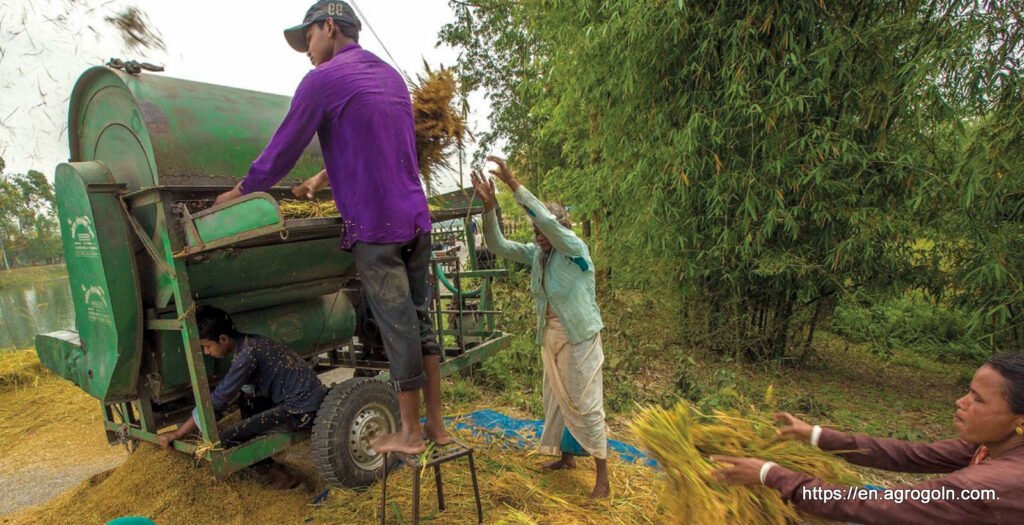
- Medium and Long-term Agricultural Loans: Medium and long-term loans are used for the purchase of agricultural machinery, irrigation equipment, and other capital investments. These loans have more extended repayment periods, ranging from three to ten years.
Challenges and Limitations
While the agricultural bank loan policy has played a vital role in supporting farmers and the agricultural sector, it faces certain challenges and limitations:
- Limited Coverage: Despite efforts to reach out to smallholder farmers, many still face difficulties in accessing formal credit due to limited outreach of financial institutions in remote areas.
- Loan Disbursement Process: The loan disbursement process can be bureaucratic and time-consuming, leading to delays in accessing credit, especially during critical agricultural seasons.
- Loan Repayment Issues: Loan repayment is a significant concern, particularly for small farmers facing uncertainties related to weather, crop failure, or market fluctuations.
- Informal Credit Sources: Some farmers resort to informal credit sources, such as moneylenders, due to the perception that formal loans come with complex procedures and high-interest rates.
- Climate Change and Environmental Risks: Climate change poses significant risks to agriculture, impacting crop yields and livelihoods. The loan policy needs to consider climate-resilient practices and risk mitigation measures.
Impact of Agricultural Bank Loan Policy
Despite the challenges, the agricultural bank loan policy has had a positive impact on the agricultural sector and farmers in Bangladesh:
- Increased Agricultural Production: Access to credit has enabled farmers to invest in better inputs, leading to increased crop yields and agricultural production.
- Diversification of Agricultural Activities: The policy has encouraged farmers to diversify their activities, leading to improved income generation and reduced vulnerability to market fluctuations.
- Empowerment of Women Farmers: The policy has enabled women farmers to access credit, empowering them to take a more active role in agriculture and decision-making.
- Improved Livelihoods: The availability of agricultural credit has improved the living standards of farmers, providing them with better access to education, healthcare, and other essential services.
- Reduced Poverty: Access to credit has played a crucial role in poverty reduction by supporting income-generating activities and improving household food security.
- Strengthening Food Security: The policy has contributed to increased food production, reducing the nation’s reliance on food imports and enhancing food security.
The agricultural bank loan policy of Bangladesh is a vital instrument in promoting agricultural development, empowering farmers, and ensuring food security. By providing financial support to farmers, the policy has contributed to increased agricultural productivity, diversified rural livelihoods, and improved rural incomes. Despite some challenges, the policy’s impact on the agricultural sector and the well-being of farmers has been significant.
Going forward, it is crucial for policymakers and stakeholders to address the challenges faced in implementing the policy and explore innovative approaches to make credit more accessible and tailored to the diverse needs of farmers. Additionally, promoting sustainable agricultural practices, climate-resilient approaches, and the use of digital technology in agricultural finance can further strengthen the agricultural bank loan policy’s impact on sustainable development and economic growth in Bangladesh.